
In last week’s Coming Down from Yet Another Rocky Mountain High, I noted that I wasn’t going to share much content from the Rendez-Vous of the Purposeful Planning Institute in that post, but if you’re a regular reader, I’m sure you knew to expect that I’d share some takeaways soon enough.
There was some wisdom shared from the big stage in the opening plenary session, of course, and I’m going to combine that with something I got out of a breakout session that followed.
Next week’s post will also likely combine some bits from different parts of my fulfilling week with so many wonderful colleagues.
If you liked Learning Life Lessons as a Family a few weeks ago, we’re going back to the world of learning once again.
Section 01
Learning With and Learning From
The breakout I attended was expertly led by Nathan Dungan and Jeff Strese, who’ve been part of the PPI community for years, and I’ve participated in their sessions in the past, so I knew I wouldn’t be disappointed.
But with four simultaneous opportunities to choose from, FOMO is always right around the corner at every Rendez-Vous.
They named their breakout “Learning With, Learning From, and Learning For”.
The first two are pretty standard and common, while the third had me saying “hmmm” to myself.
When I work with a family, it’s always nice when I can help create opportunities for them to learn with each other.
When they can also learn from each other, that usually works well too, especially when it isn’t simply “top down”.
Section 02
Taking One for the Team
When they got to the part of “learning for”, I raised my hand because I wanted to make sure I understood where they were going, and I imagined that I was not the only one who might have been unclear on what they meant.
I asked,
“I imagine that the ‘learning for’ is NOT about ‘what are we learning this for’”.
Nathan thanked me for the question and gently noted that mine was actually a “why” question, poorly phrased.
When they talk about learning for, it’s more about doing the learning for the benefit of the family, including the other members of the family.
When I wrote the sub-head above about “the team”, it was to try to emphasize this point.
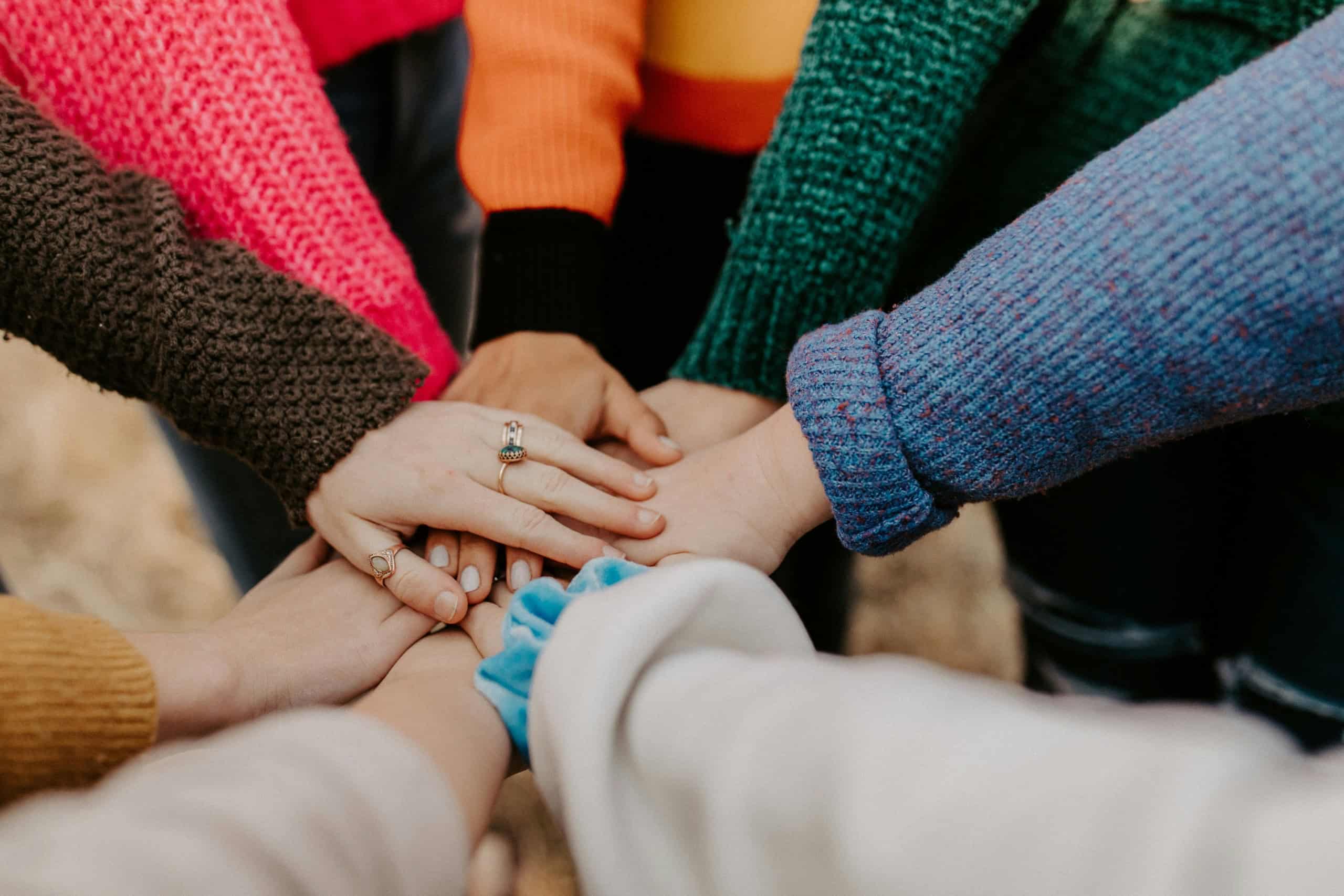
When a family learns for each other, they are demonstrating a commitment to being part of the family team.
When I can help a family think of itself as a team, I’m cooking with gas, as they say.
Section 03
Connection and Belonging – Great Teams Have These
So now let’s loop back to the title of this blog and the wisdom I jotted down during the opening plenary session.
For a transition of wealth from one generation to the next to succeed, connection and belonging are not optional extras.
They are fundamental to success.
You have surely seen cases where wealth has passed from one generation to another where the successors were not properly connected to the source of the wealth, where that missed opportunity jumps up and slaps you in the face.
Or where those who inherited the financial wealth did not feel like they belonged to the family that created it and therefore struggled to find the meaning behind their windfall.
This is not rocket science, it’s actually pretty simple to understand.
And simple doesn’t mean easy, so it does take intention and effort.

Section 04
Everyone Wants to Be Seen and Heard
For a family to be connected in a way where each person feels like they truly belong, every last one of them needs to be seen and heard.
Most families have at least one member who isn’t really getting that, and they may feel less like they’re part of the team.
I’m not trying to lay blame here, but in the families that I’m privileged to work with, it is something I am always trying to tune in to, to try and nudge things in a slightly better direction.
Facilitating family meetings requires me to notice such misalignment and do whatever I can to make sure that the quieter voices are heard and that each person’s viewpoints are heard by everyone else.
Most families aren’t necessarily naturally good at being a family team together, but if I can help them learn how to be just a little bit better at it, and they can begin to learn for each other, that’s progress.