On Homeostasis, Iteration, and Change in Family Systems
Why Slow and Steady Is Often Best
The title of this post uses some words that are a little longer or less familiar than the kind of vocabulary regular readers are used to seeing from me.
I pride myself on writing and speaking in terms that are easy enough for most people to follow, and I typically resist the urge to try to sound like I’m smarter than everyone else.
But occasionally, there’s a word that must be used to make a point and so I will use it.
As usual I’ll spend plenty of time explaining the words, what they mean, and why I think they’re important to the subject at hand.
Section 01
Homeo-what? Homeostasis
The longer word I was talking about is obviously “homeostasis”, and it was going to be the central thesis to this post until I realized that I had another blog planned around iteration.
As I looked at my Blog Ideas folder and thought about my notes more deeply, I recognized the potential synergies, and here we are.
Let’s check with my friend Mr. Google to see what we can learn about homeostasis. Here’s what came back:
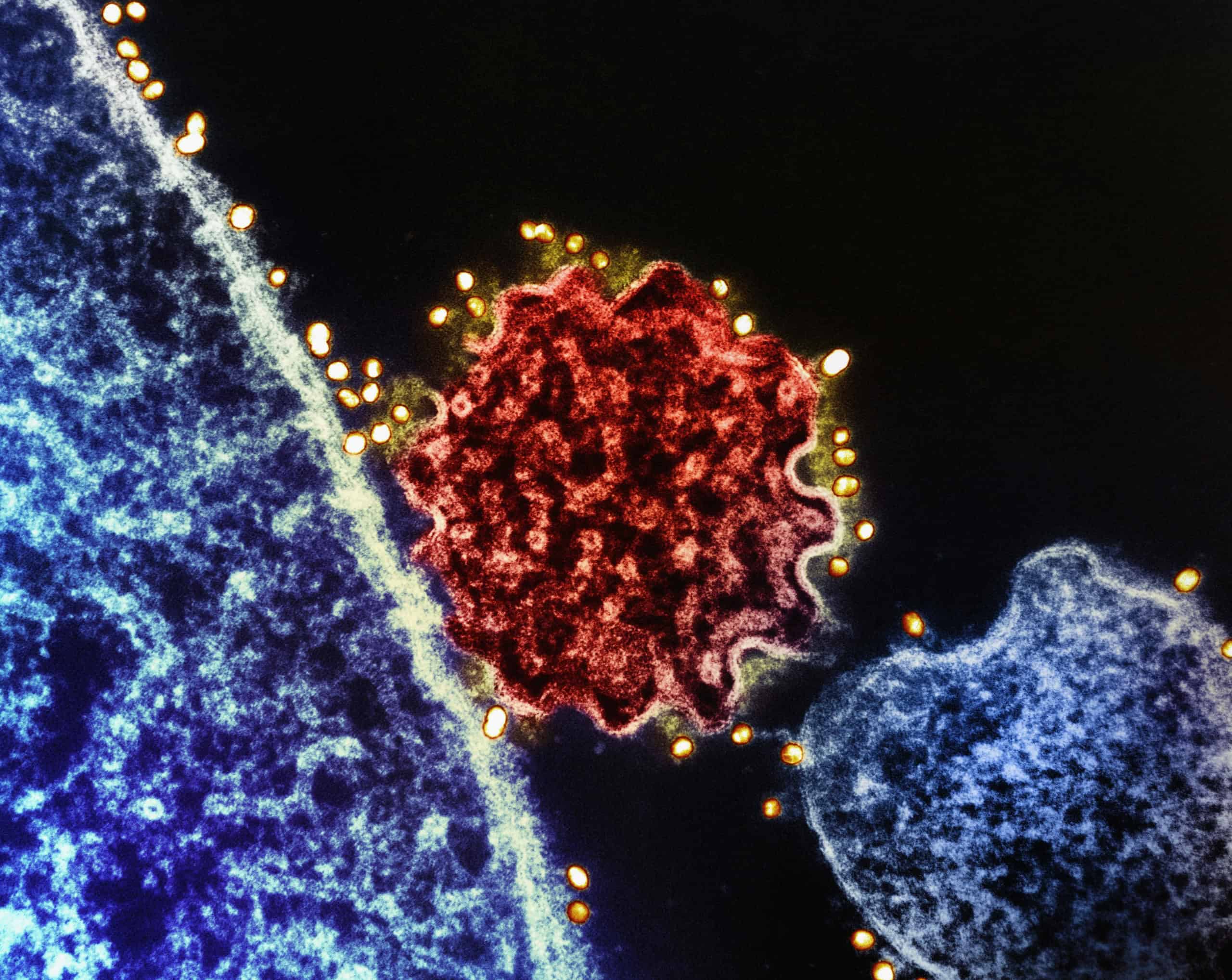
Homeostasis is your body’s automatic process of maintaining a stable, balanced internal environment, even when external conditions change.
It seems to me that part of what’s involved beneath the surface is an inherent resistance to change, and a desire to maintain whatever equilibrium is in place.
It also brings up inertia, one of Newton’s Laws that states that a body at rest tends to stay at rest, if I remember my high school physics correctly.
Section 02
Homeostasis in a Family System
Anyone who has tried to make changes happen anywhere will recognize the challenges therein.
If the system where you’re trying to effectuate changes also happens to be a family, you’re probably dealing with a trickier problem.
When the family in which you’re making these efforts also happens to own a business or enterprise, you’ve got an even heavier lift ahead of you.
Your best bet is to try for small changes, and even then, it takes time for the family members to adapt and recalibrate with each other as any change is implemented.
Change is a bit simpler when it’s done in small increments, i.e. incrementally.
And one of your best bets to make change happen is to recognize the concept of iteration, and the idea of making change iterative.
Section 03
A Blog Idea Around Iteration
When the idea of writing a post on iteration popped into my head, I Googled the word and one of the results included the following:
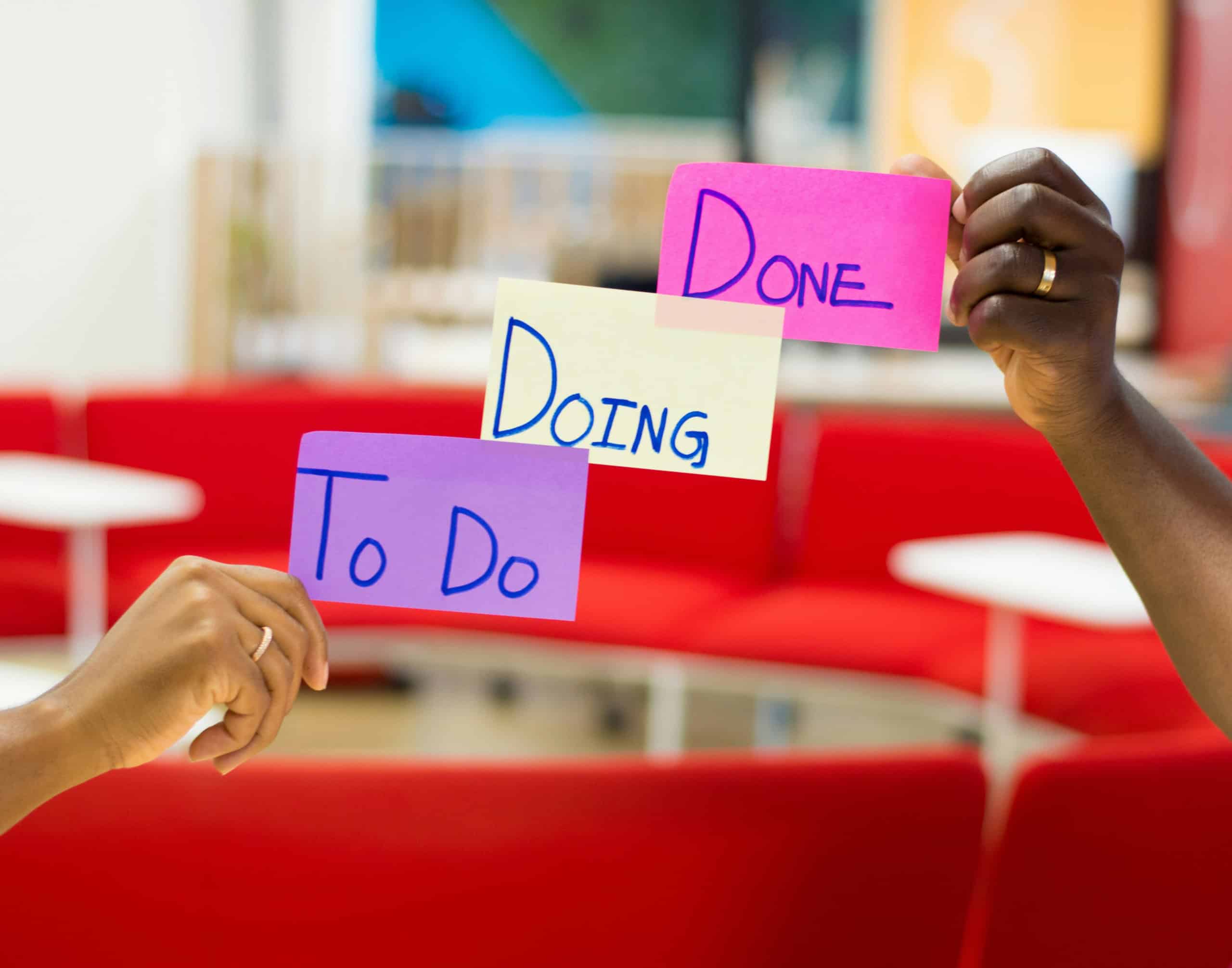
What does iterative mean in project management?
That’s when I realized how powerful this idea could be, if I could use the “project” idea to explain it to families I work with.
Last fall in Ideas on Dealing with the Family Crap, I wrote about getting families into the habit of Convening Regularly And Productively (C.R.A.P.)
Coming back together as a “project update” meeting, where we assess the latest iteration of where we are makes sense to me.
Section 04
Iterative Versus Incremental
The Google result on iteration in project management brought me down a rabbit hole that tried to distinguish between iterative and incremental, but I’m not sure that adds value here.
Both are part of continuous improvement but the distinction on iterative is that it involves incorporating feedback into the process.
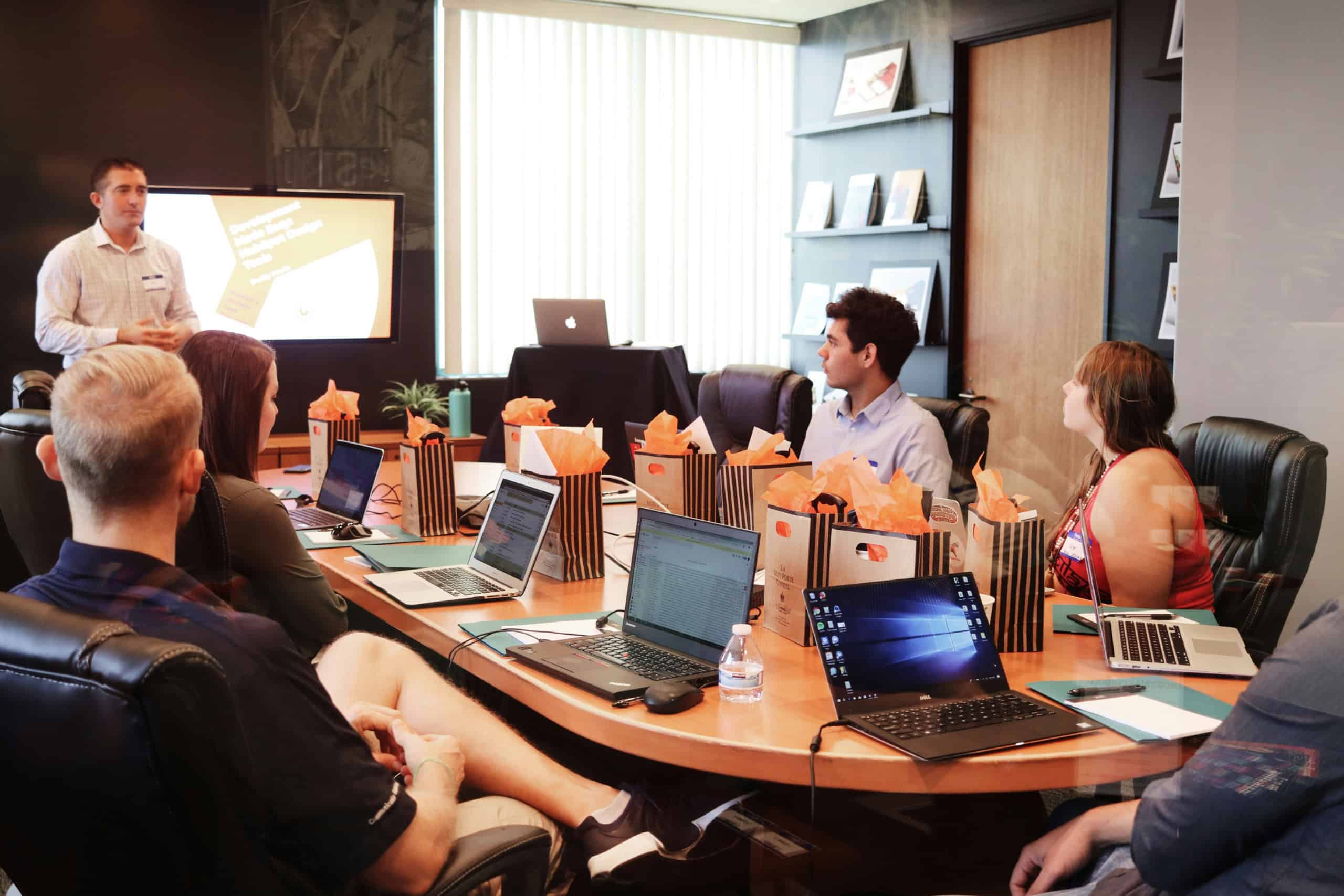
When a family reconvenes, it’s so important to hear how each person has been evolving in their own thinking and adaptation to whatever the family has been working on improving and evolving.
This feedback allows the facilitator to gauge progress and adapt the pace of changes or modify the direction as needed.
Things naturally evolve incrementally, and reconvening to incorporate feedback keeps everyone on track together.
Section 05
Changing the Way a Family Is Together
Homeostasis tells us that change is naturally resisted, so we need to accept that and find a way through.
Iteration reminds us that we need to incorporate feedback along the way to produce a slightly improved result, and then do that again (and again, and…).
The family system concept is all about how the family members relate to one another, i.e. who the family is when they are together.
A family can continue to evolve, and looking at it as a journey or a project can help clarify why they are actually making these efforts together for the good of everyone.
At A Glance
The Slow-and-Steady Loop
Tap each idea to reveal the principle.
+Idea IExpect Homeostasis
“An inherent resistance to change, and a desire to maintain whatever equilibrium is in place.”
+Idea IIGo Incremental
“Change is a bit simpler when it’s done in small increments, i.e. incrementally.”
+Idea IIIMake It Iterative
“The distinction on iterative is that it involves incorporating feedback into the process.”
+Idea IVReconvene Regularly
“A ‘project update’ meeting, where we assess the latest iteration of where we are.”