
Occasionally, usually when I hear something that resonates strongly and that I realize I hadn’t heard phrased that way before, I know instantly that I’ll be writing about it here sooner or later.
This will be one of the “sooner” variety, as I only stumbled upon this quote a couple of weeks ago.
Regular readers won’t be surprised to learn that this was on LinkedIn, as that remains one of my favourite blog idea generating spots.
But I had to do a bit more work than usual, because the line was part of a video I saw, so it was harder to “clip” and send it to myself.
But fear not, because it was so good that I made the necessary effort to capture it so I could share it here.
Alert readers may have already pieced it together from my title and subhead.
Section 01
Family Legacy from the Other Side
So here, finally, is the famous quote that I so loved:
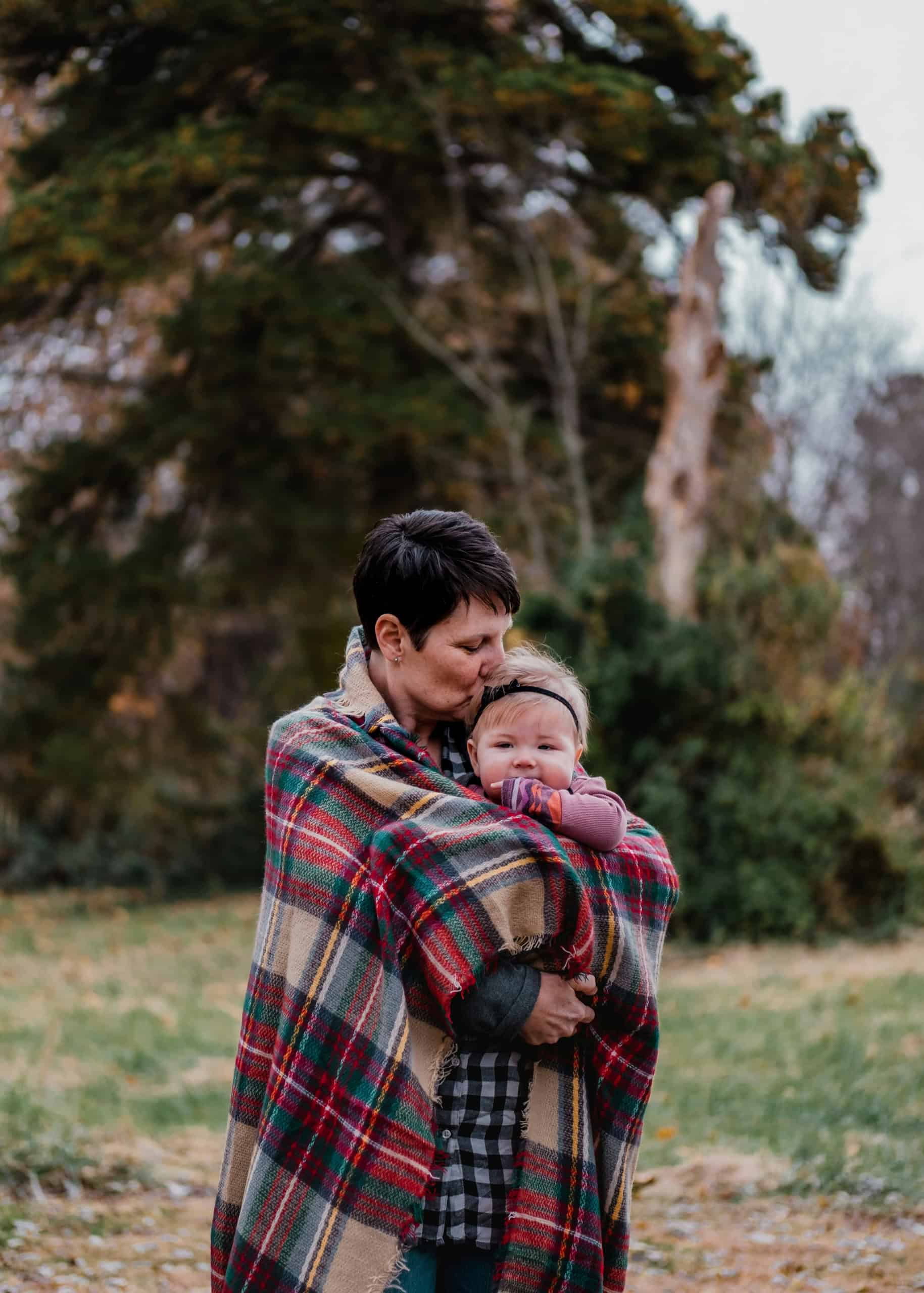
“Family legacy is not about what gets passed down, it is about what gets carried forward.”
I don’t know if it hits you the same way it hit me but based on the way most people think about and talk about legacy, this actually turns it on its head.
And I’m here for that, all day.
The source of the quote was my friends at In Three Generations, who are worth a follow over on LinkedIn and wherever else they’re sharing their great content.
But let’s get to what I loved so much about the message that underlies the line.
Section 02
Where Do We Usually Focus?
I daresay that when we talk about family legacy, 99% of what we’re thinking about is how to preserve the past, and perhaps the present.
And of course that’s not wrong, and it’s completely necessary to think about it.
But like so many other areas of the work that I do, it’s not sufficient and it’s so easy to overlook the other part.
As I wrote back in 2017, in Is Your Continuity PAL in Danger?, where PAL was a mnemonic for the equation People + Assets = Legacy, you need to have people willing to work to continue your legacy for it to survive, because the assets themselves are insufficient.

Section 03
A Two-Way Street, Like Communication!
My favourite quote about communication comes from George Bernard Shaw, and I’ve shared it here before, notably in 2024 in Wielding Influence Vs. Asserting Control.
“The biggest problem with communication is the illusion that it has taken place”
Think of the old saw about the tree falling in the forest; if nobody hears it, did it really make a sound?
So, by all means, do the work necessary to define and clarify the family legacy by looking at the past and the present, but if you stop there, your likelihood of enduring success is limited.
But just like the fact that communication has not actually happened if only the attempted delivery has taken place, if the legacy is supposed to be passed down, that should presuppose that there’s someone capable and willing to carry it forward.
Section 04
Capability AND Desire
I raised this idea over lunch with a colleague recently, which got us into which of the two essential elements is more important, the capability or the desire.
Hmmm, I considered. “I think it’s the desire”. He agreed.
Those of us who work with rising generation family members are well attuned to the idea that work typically needs to be done on raising the capability of these next generation family members.
A whole sub-set of our industry is evolving to address this, and that’s a wonderful thing, because there’s a need for it and it’s so nice to see that this need is turning into demand, and there’s a growing supply to meet that demand.
And we’re back to the “insufficient” problem once again.

Section 05
How Do We Build the Desire to Carry It Forward?
There’s no straight or simple answer to this question, as it will be different for each family, as usual.
But I can say with certainty that the odds of success rise exponentially if you allow those who are expected to carry it forward to figure out most of it, as opposed to having it all imposed on them.